
You wake up tired despite a full night’s sleep. Your partner notices loud snoring or gasping, but you blame stress, allergies, or lack of caffeine—when it could be something more serious.
Sleep apnea, a condition that causes repeated pauses in breathing during sleep, affects about 1 in 12 adults in the U.S.—roughly 25 to 30 million people, according to the American Academy of Sleep Medicine. Despite how common it is, about 80% of people with sleep apnea remain undiagnosed. Left untreated, these nightly breathing interruptions don’t just leave you tired, they can quietly increase your risk of heart disease, metabolic issues, cognitive decline, and accidents.
Recognizing the signs early is key. From snoring and daytime fatigue to serious health risks, understanding sleep apnea can help you take control of your sleep—and your health—before it’s too late.
Let’s Talk Symptoms
Symptoms of sleep apnea are often mistaken for other conditions at first, which can make the disorder difficult to recognize without help from a specialist.
For example, loud snoring might be blamed on allergies. Waking up gasping during the night could seem like the result of a nightmare. The daytime fatigue you feel the next morning may feel like you simply haven’t had enough caffeine.
You may also assume that another chronic condition, such as obesity, high blood pressure, or diabetes, is contributing to your poor sleep. But in many cases, these health concerns can actually be connected to untreated sleep apnea.
The earlier you receive a sleep apnea diagnosis, the sooner you can begin working with your care team to restore more restful sleep and improve your energy during the day. Early treatment can also reduce the risk of long-term complications that may become more serious if left untreated.
What Happens When Sleep Apnea Goes Untreated
Quality sleep is essential for overall health. When sleep apnea goes untreated, the risks can affect several areas of your health over time.
Cardiovascular risks:
About 30–50% of people with high blood pressure also have sleep apnea. The condition can also increase your risk of heart rhythm changes, heart attack, and stroke. In many cases, these heart problems can further worsen sleep apnea symptoms, creating a cycle that can be difficult to break. Sleep apnea can also contribute to several other forms of heart disease over time.
Metabolic consequences:
Sleep apnea may increase your risk of developing metabolic syndrome. This condition refers to a group of health issues—including high blood sugar, excess abdominal weight, and elevated cholesterol levels—that often require medication to manage. As many as 80% of people with sleep apnea also have metabolic syndrome.
Fatigue-related concerns:
When sleep apnea interrupts your breathing throughout the night, your body never gets the restorative rest it needs. Over time, this ongoing fatigue can create serious safety risks. The National Institutes of Health (NIH) reports that people with untreated sleep apnea are 2.5 to 7 times more likely to be involved in a car accident. Fatigue can also increase the risk of workplace injuries or other accidents.
Cognitive and quality-of-life barriers:
Poor sleep can also affect your mental and emotional health. Memory problems, difficulty concentrating, irritability, and mood disorders are all common among people living with untreated sleep apnea.
The Simple Solution to Lower Sleep Apnea’s Long-Term Effects
If you’re wondering whether your snoring or fatigue could be linked to something more, the sleep specialists at Birmingham Pulmonary Group are ready to help. Located in the North Tower of St. Vincent’s Hospital, their team can accurately diagnose sleep apnea and guide you toward better sleep while helping reduce long-term health risks.
Beginning with your first appointment, you’ll work collaboratively with one of the group’s sleep specialists. In many cases, the process begins with a sleep study and other tests your provider may recommend based on your specific symptoms and health history.
Once all necessary information is gathered and a diagnosis is confirmed, your provider will guide you through selecting the treatment option that best fits your needs, such as CPAP or BiPAP therapy.
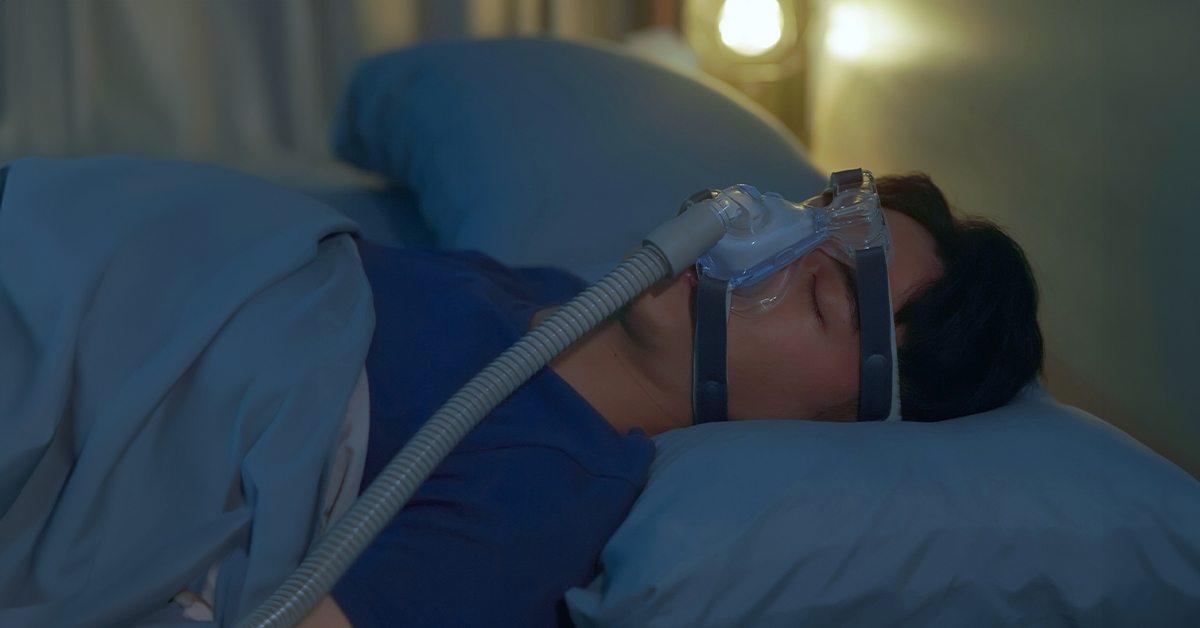
Sleep apnea reduces the amount of oxygen available to your body while you sleep. CPAP therapy uses a mask device that delivers a steady stream of air to keep your airway open throughout the night. BiPAP therapy provides air pressure in two different levels (one when you inhale and another when you exhale) making breathing more comfortable for some patients.
Both treatments help maintain healthy oxygen levels while you sleep, allowing more oxygen to reach vital organs like your heart and brain overnight.
Where to Turn for Better Rest and Better Health
With proper pulmonary sleep care, many patients notice improvements in their sleep within just a few nights of starting treatment. Just as importantly, treating sleep apnea helps lower long-term health risks that could affect your heart, metabolism, and daily functioning.
If you’re concerned about your sleep, don’t wait to seek answers. Scheduling a sleep evaluation with one of the experts at Birmingham Pulmonary Group could be the first step toward healthier sleep and a healthier life.